AI vs Copyright: Why Intellectual Property Matters in Professional Photography
As a working photographer, I’ve seen the rapid integration of Artificial Intelligence into the creative workflow. In tools like Photoshop, AI has brought undeniable benefits, streamlining complex edits and expanding what’s possible for commercial photography. However, beyond the technical "magic" lies a complex and often "ugly" legal landscape regarding copyright and data training.
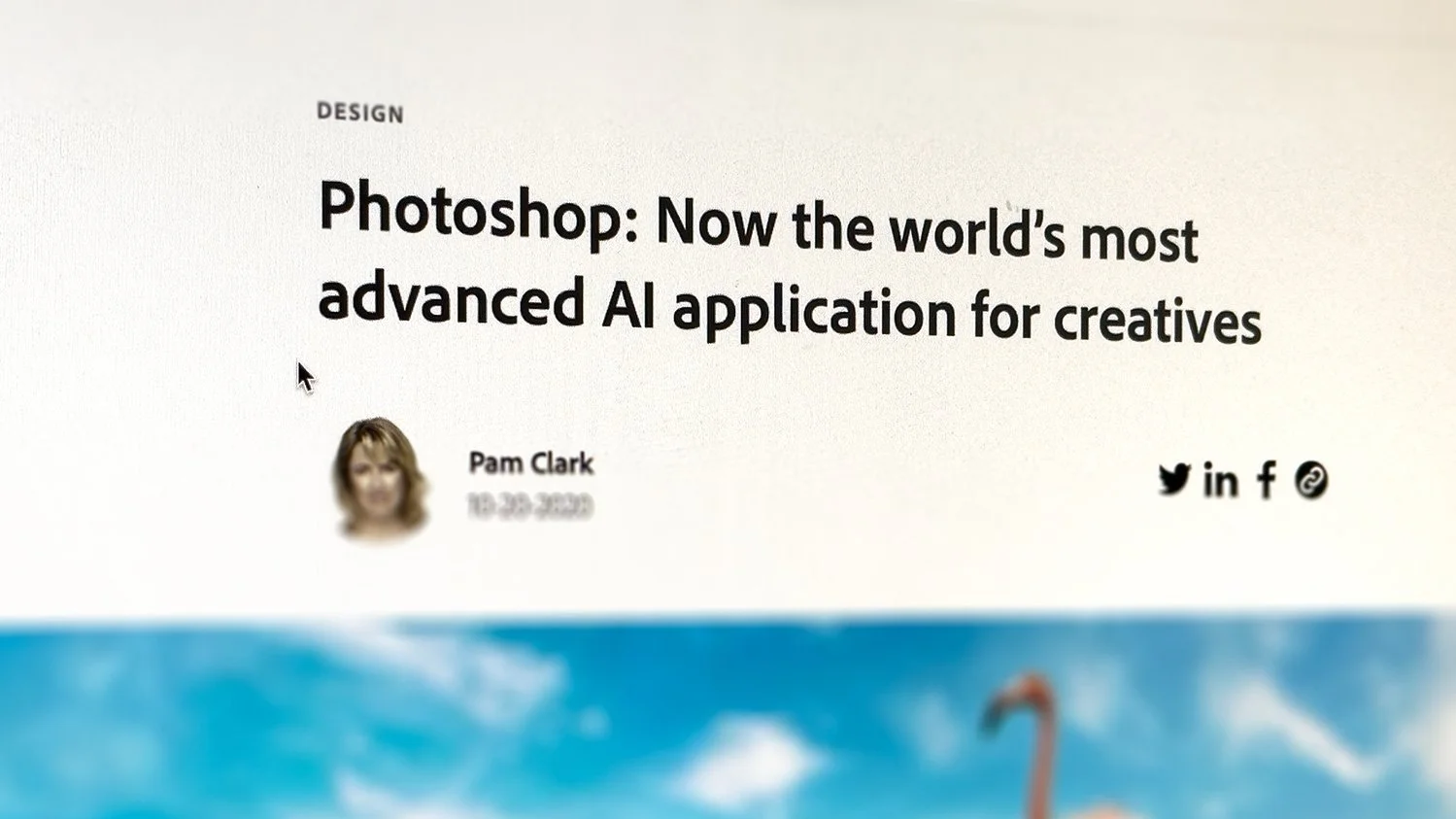
The Copyright Conflict: LAION and the "Link" Loophole The most pressing issue for professional photographers is the unauthorized use of our work to train AI models. A recent case involving German stock photographer Robert Kneschke highlights the current fragility of intellectual property.
Kneschke discovered his images were being used in the LAION (Large-scale Artificial Intelligence Open Network) data pool—a massive set used to train image generators. When he requested their removal, he was met with a legal rebuttal stating that since LAION only stores "links" to images and not the data itself, there was nothing to delete. To add insult to injury, the firm demanded nearly €900 for his "unjustified" claim.
Why This Matters for Your Business Morality and law are often at odds in the digital frontier. For businesses and brands, this raises a critical question about the source of their visual assets. When you commission a professional commercial photographer, you aren't just paying for an image; you are paying for:
Clear Chain of Title: Knowing exactly who owns the image and how it is licensed.
Ethical Sourcing: Ensuring your brand isn't built on "scraped" data that could face future legal challenges.
Human Expertise: AI can mimic a style, but it cannot understand a brand brief, a site's safety protocols, or the nuances of a human subject.
The Future of Creative IP This legal battle is likely headed to the European Court of Justice, and the outcome will redefine what "publicly available" means for creators. While I embrace the tools that make my work more efficient, I remain a staunch advocate for the protection of copyright.
In a world increasingly filled with synthetic imagery, the value of authentic, legally-sound, and human-captured photography has never been higher.