Getting Brand Photography Right: Common Mistakes to Avoid
Photography is one of the most powerful parts of any campaign, but it’s often treated as something that gets added in at the end.
After years working with businesses across Northern Ireland and beyond, I’ve seen the same issues come up again and again. Not through lack of effort, but because the role of photography isn’t always fully thought through from the start.
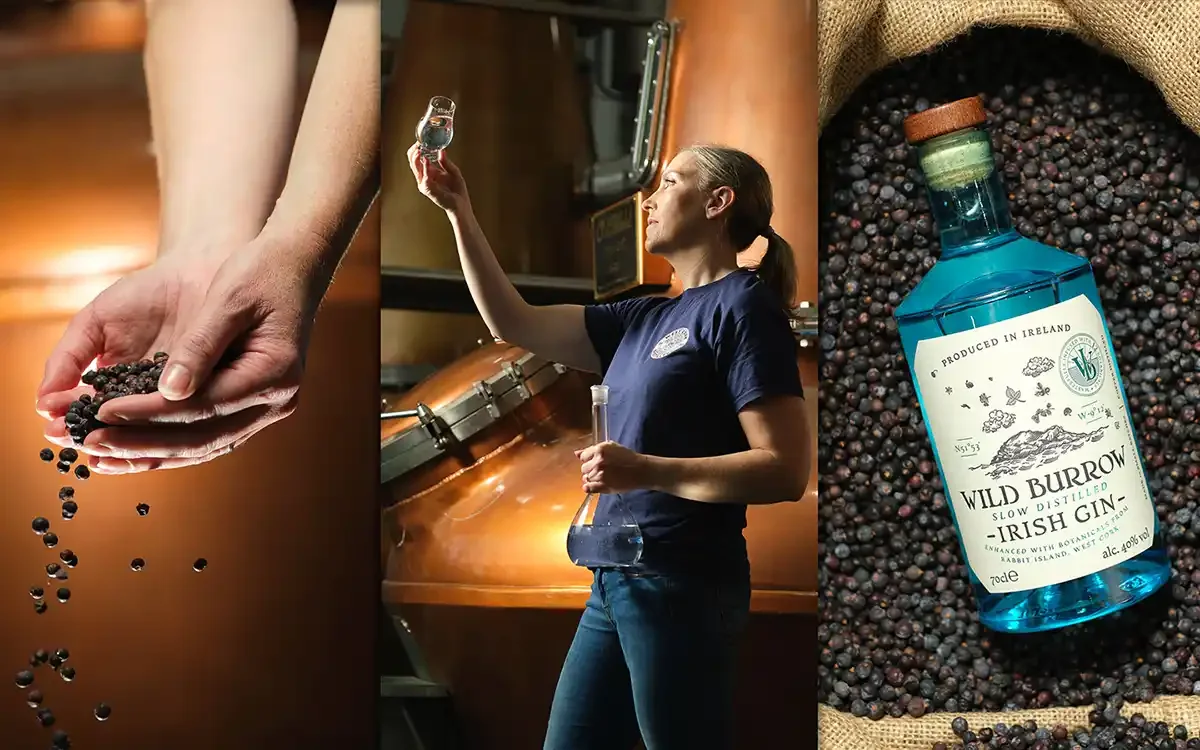
When that happens, the images can look good on the surface, but they don’t really carry any weight.
Here are five mistakes I see regularly, and how to avoid them.
1. Treating photography as decoration
I still see photography used simply to “fill space” in a campaign.
It might look clean, professional, even expensive, but it’s not actually saying anything. It’s just there.
Strong photography should carry part of the message. It should support what the campaign is trying to communicate, not just sit behind it.
How to avoid it:
Start by asking what the image needs to do, not just how it should look. If the photograph was shown on its own, would it still communicate something meaningful about the brand?
2. Forgetting the idea behind the image
A technically perfect image doesn’t mean much without a clear idea behind it.
I’ve been brought into projects where everything is polished, well lit, well shot, but there’s no real thought behind it. No direction. No reason for the image to exist beyond “we need something here”.
The campaigns that work always start with a clear idea. The photography follows that.
How to avoid it:
Before any shoot, be clear on what you’re trying to say. The idea doesn’t need to be complicated, but it does need to be there.
3. Chasing trends instead of building something consistent
It’s easy to fall into this. You see a style that’s working, and you try to replicate it.
The problem is, trends move quickly. What looks current today can feel dated very quickly.
I’ve seen brands lose their identity because they’re constantly shifting their visual style to keep up.
How to avoid it:
Focus on creating something that fits your brand, not what’s popular at the moment. Consistency will always outlast trends.
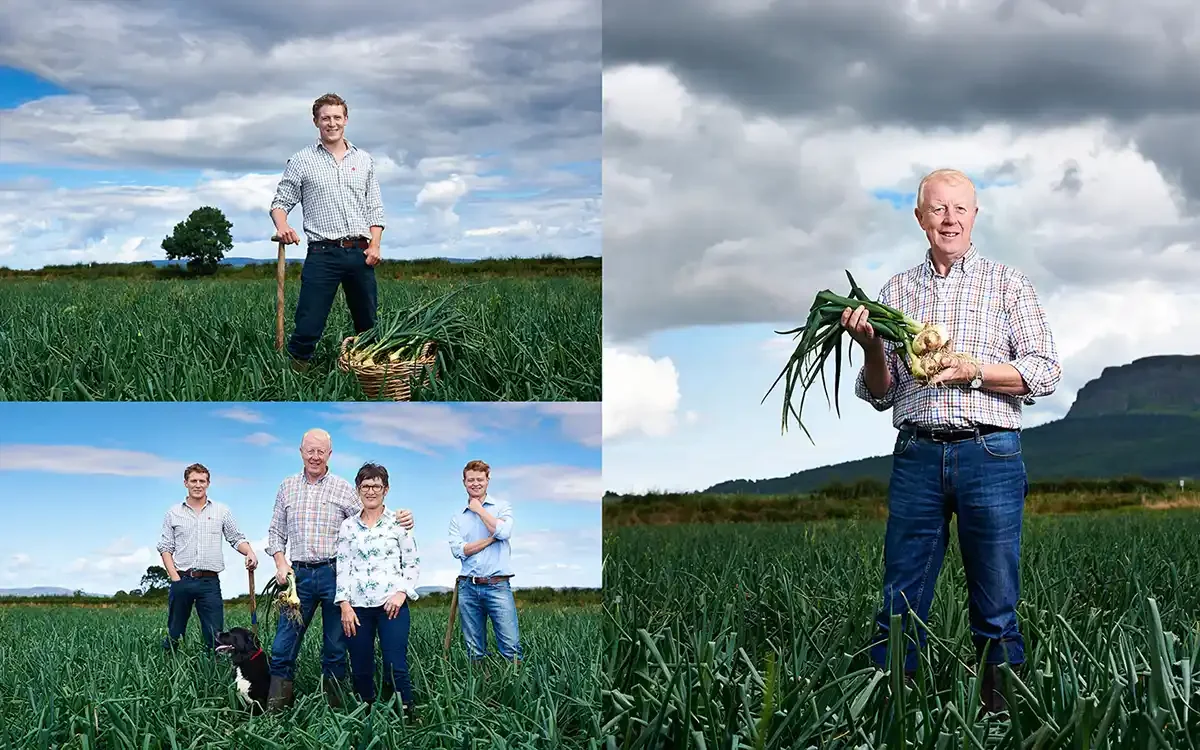
4. Letting the shoot drift off course
This is something I see quite a bit.
Once a shoot is underway, it’s easy for extra ideas to start creeping in.
“While you’re here, could we also get this…”
“Can we quickly grab a few shots of that as well…”
On the surface, it makes sense. You’ve got a photographer there, so you want to make the most of the time.
But what often happens is the focus starts to drift.
Instead of concentrating on the images that actually matter to the campaign, time and attention get pulled in different directions. The result is a set of images that feel a bit diluted, rather than a strong, clear set that does its job properly.
I’ve seen shoots where the key images suffer simply because too much was trying to be covered in the time available.
How to avoid it:
Be clear on the priority shots before the shoot begins, and protect that time. If there’s room to capture anything extra, that’s fine, but not at the expense of what the shoot was originally there to achieve.
5. Leaving photography too late
This is probably the most common issue I see.
Photography gets pushed to the end of a project, once everything else has been decided. At that point, you’re trying to make images fit into something that’s already been built.
That’s when compromises start to creep in.
I’ve often been brought in at that stage to solve problems that could have been avoided entirely if photography had been considered earlier.
How to avoid it:
Bring photography into the conversation early. When it’s part of the planning, not an afterthought, everything tends to fall into place much more easily.
Final thoughts
When photography is treated as part of the thinking, not just the finish, it starts to do what it’s meant to do.
It adds clarity. It gives the message weight. It makes the whole campaign feel more considered.
Get that right, and you don’t need to rely on the images just looking good. They start working for you.